Web Design Agency In Jax: Crafting Effective Websites Requires Careful Planning And Execution
Interface (UI) and User Experience (UX): The Heart of Website Design
Ever arrived at a website and quickly understood where to click? That's great UX whispering in your ear. Conversely, remember a time when you were absolutely lost, clicking aimlessly? UI style failed, my pal. In web style, UI and UX resemble 2 sides of the same coin. One focuses on aesthetic appeals and interactivity (UI), while the other explores the user's feelings and journey (UX) Believe of it as the Yin and Yang of the digital world.
UI: The Art of the Interface
User Interface (UI) style is everything about the visual elements individuals engage with. It's the buttons, icons, typography, color combinations, and overall design that greets the user. A well-designed UI is aesthetically pleasing, intuitive, and consistent. Consider sites with clear call-to-action buttons versus those buried in a confusing mess. Which one are you more likely to engage with? Efficient UI style boosts brand understanding and guides users seamlessly through a website.
UX: Understanding the User's Journey
User Experience (UX) style, on the other hand, is about comprehending the user's needs, objectives, and pain points. It includes the whole process a user goes through when connecting with a site, from preliminary discovery to last conversion. It involves user research study, producing user personas, wireframing, and use testing. A terrific UX designer expects user requirements and produces a friction-free experience. Have you ever deserted a shopping cart since the checkout process was too complicated? That's a UX problem.
Why UI/UX Matters
- Increased Engagement: A properly designed UI/UX keeps users on your website longer.
- Higher Conversion Rates: Instinctive style results in more sales and conversions.
- Improved Brand Commitment: Positive experiences build trust and encourage repeat check outs.
- Minimized Bounce Rates: Users are less likely to leave a website that is simple to browse.
Secret Principles of UI/UX Design
What makes for strong UI/UX in web design? It boils down to a few core concepts:
- Functionality: Is the site simple to use and navigate?
- Availability: Is the website available to users with impairments?
- Desirability: Is the site aesthetically appealing and engaging?
- Worth: Does the site provide worth to the user?
- Clarity: Is the info presented plainly and concisely?
Eventually, effective website design copyrights on the thoughtful combination of UI and UX concepts. It has to do with producing sites that are not just beautiful but likewise functional and user-centered. Disregarding either one can result in a frustrating user experience and, ultimately, a lost chance. Who wants to check out a digital ghost town?
Ever feel like you're screaming into deep space with your website? A website that looks quite but doesn't, well, work? It's a typical concern. You've got a great product, outstanding content, but something's awry. Often, the culprit isn't the what, but the how-- the underlying web design concepts. It has to do with crafting an user-friendly, engaging experience that whispers, "Welcome, begun in." Think of these as the golden guidelines, the secret sauce. Overlooking them resembles developing a home on sand. Here's where things frequently go sideways: information architecture. Think of a library with books scattered arbitrarily. Aggravating? Your site is the exact same. Strategy your site structure carefully. Usage card sorting exercises to understand how users categorize information. Don't bury important content a number of clicks deep. The less clicks, the much better. And then there's the "curse of knowledge." You understand your business inside and out. Your visitors don't. Prevent jargon. Compose in plain language. Test your material with genuine users who aren't knowledgeable about your industry. Their confusion is your roadmap to improvement. An essential factor to consider often ignored is internet browser compatibility. Even if your website looks ideal in Chrome does not indicate it will in Firefox or Safari. Cross-browser screening is essential. Use tools like BrowserStack or LambdaTest to make sure a consistent experience for all users. Another possible failure is neglecting the mobile experience. With most of web traffic now originating from mobile devices, a mobile-unfriendly website is a death knell. Mobile-first design is necessary. Focus on material and functions for smaller screens. Usage responsive images and enhance filling times. Eventually, efficient website design isn't about visual appeals alone. It has to do with understanding your audience, anticipating their requirements, and creating a seamless, instinctive experience. When you get the concepts right, the outcomes speak for themselves. Website Design Concepts: Foundations for Success
The Core Tenets
Browsing the Difficult Bits
Web Development Technologies and Languages: The Engine Under the Hood
So, you've diligently crafted a stunning web design, a visual work of art prepared to wow the world. But what breathes life into that static image? What translates your creative vision into a practical, interactive experience? The response depends on web advancement technologies and languages. Think about it as the engine room of your website, the complex equipment that powers whatever from user interactions to information processing.
Selecting the Right Tools: A Designer's Issue
Choosing the ideal technologies belongs to picking the perfect set of tools for a craftsman. The possibilities are limitless, each with its own strengths and weak points. JavaScript, for example, is the indisputable king of front-end interactivity, enabling you to develop vibrant aspects, animations, and seamless user experiences. However what about the back-end, the server-side logic that manages data storage, user authentication, and all the behind-the-scenes operations? Do you select the elegance of Python with its structures like Django or Flask? Or possibly the raw power of Node.js, allowing JavaScript to run on the server?
And after that there's the database-- the repository of all your website's information. Will you choose a relational database like MySQL or PostgreSQL, understood for their here structured data management? Or maybe a NoSQL database like MongoDB, offering greater versatility and scalability for dealing with disorganized information? The options can be frustrating, causing a typical barrier: analysis paralysis.
- HTML/CSS: The fundamental foundation for structuring and styling your content.
- JavaScript: The language of interactivity, bringing your site to life.
- Python: A flexible language typically utilized for back-end development and data analysis.
- PHP: An extensively utilized server-side scripting language.
- Databases (MySQL, MongoDB): Where your website's information resides.
The Mistakes of Disregarding Performance
Picture constructing a magnificent high-rise building on an unstable foundation. Similarly, selecting inefficient innovations or disregarding performance optimization can result in a sluggish, unresponsive site, driving users away in droves. A common oversight is failing to optimize images, resulting in puffed up page sizes and glacial filling times. Another is writing inefficient code that takes in excessive server resources.
A seasoned web designer comprehends the importance of code splitting, lazy loading, and caching techniques to guarantee a stylish, responsive user experience. They likewise understand how to profile their code to recognize and remove performance bottlenecks. They are believing about the site efficiency.
Here's a little secret: Frequently investigate your site's performance using tools like Google PageSpeed Insights or WebPageTest. These tools offer indispensable insights into areas for enhancement, helping you recognize and address performance traffic jams before they impact your users.
Beyond the Code: Welcoming the Ecosystem
Web development is more than just composing code; it's about embracing the whole ecosystem of tools, libraries, and structures that can streamline your workflow and enhance your efficiency. Bundle managers like npm or yarn allow you to quickly install and manage reliances, while task runners like Gulp or Grunt automate repetitive jobs. Variation control systems like Git are essential for cooperation and tracking modifications to your codebase. Neglecting these tools is comparable to attempting to construct a house with just a hammer and nails.
The world of web advancement is constantly evolving, so constant knowing is important. Accept the unpredictability, explore brand-new technologies, and never ever stop sharpening your skills. After all, the best web designers are those who are always pushing the borders of what's possible.
Mobile-First and Responsive Web Style: Beyond the Breakpoint
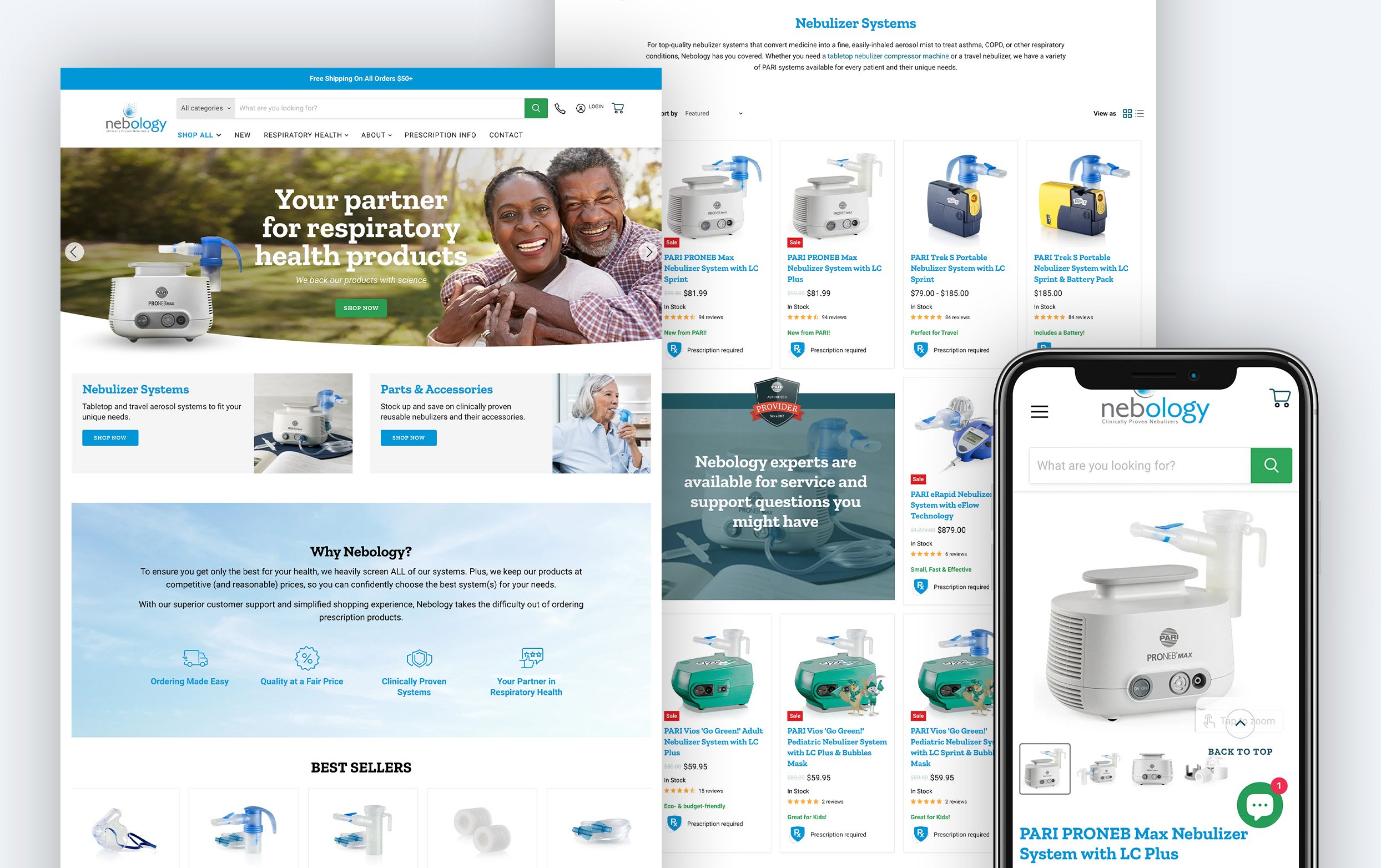
Ever squint at a site on your phone, pinching and zooming just to check out a paragraph? That's the reverse of mobile-first design. It's not simply about diminishing a desktop website; it's an essential shift. We begin with the smallest screen, the most constrained environment, and then progressively enhance for larger screens. Why? Because a mobile user's attention span is short lived, their persistence razor-thin. If your site doesn't deliver, they're gone. Think about it as distilling the essence of your message, and then including embellishments for those with the high-end of a larger screen and more time.
The Pitfalls of Desktop-First Thinking
The old method of thinking, desktop-first, often causes puffed up designs stuffed with unneeded aspects. These components then get awkwardly inserted onto mobile, leading to a discouraging user experience. Ask yourself: are those elegant animations genuinely including worth, or are they just slowing down the load time on a 3G connection? Mobile-first forces you to focus on. It requires ruthless effectiveness.
- Focus On Core Material: Recognize the most essential information and features.
- Improve Navigation: Make it easy for users to discover what they need.
- Optimize Images: Compress images to lower file size without sacrificing quality.
The Responsive Website Design Advantage
Responsive style is the strategy that makes mobile-first a truth. It's the art of crafting sites that adjust flawlessly to any screen size, using fluid grids, flexible images, and media questions. Ever question how some websites amazingly resize themselves when you switch from landscape to portrait mode on your tablet? That's responsive design in action. However it's not just about resizing; it has to do with re-organizing, re-prioritizing, and re-imagining the interface to suit the gadget.
Preventing Typical Stumbling Blocks
One frequent error is overlooking touch targets. Those tiny links and buttons that are perfectly clickable with a mouse end up being an aggravating obstacle course for fingers. Another is assuming all mobile users are on fast Wi-Fi. Enhance, optimize, enhance! Every kilobyte counts. And don't forget about availability. A mobile-first technique, done right, can actually enhance ease of access for all users, no matter gadget or ability. Are you evaluating your styles on real mobile phones, or just relying on browser emulators? There's a world of distinction between theory and reality. Website design requires extensive testing.
Beyond Resolution: Context Matters
It's not just about screen size; it's about user context. A user browsing on their phone during their commute has various requirements and expectations than someone sitting at a desktop in their office. Mobile users are often searching for fast answers, instructions, or instant action. Your design ought to reflect this seriousness. User experience is vital. Are you designing for the moment, or just for the screen? In the end, mobile-first and responsive style aren't simply trends; they're essential for survival in today's digital landscape. They are website design.
Jacksonville, FL Web Design Provider
Jacksonville, Florida, a vibrant city with a growing population, uses a blend of coastal beauty and urban facilities. Known for its beautiful beaches, substantial park system, and growing arts scene, Jacksonville is a popular destination for both locals and visitors. The city boasts a varied economy, with crucial sectors consisting of financing, healthcare, logistics, and advanced production.
If you're wanting to boost your online presence, Fisher Agency can help. They use skilled guidance and guidance on web design to help you accomplish your business goals. Contact them for a free assessment and discover how they can transform your digital strategy.